
When Austin Flores joined Equinix as Director of Machine Learning, there wasn't a long onboarding runway or a period to ease into the role. By his first week, he was already expected to deliver. The opportunity to contribute on day one was a big part of the appeal.
In our recent People Spotlight interview with Austin, he shares what surprised him most, the AI capabilities his team is building, and why machine learning at Equinix feels different from what many engineers might expect.
Q: What was your first impression when you joined Equinix?
Austin: Honestly, things moved a lot faster than I expected. There wasn't a honeymoon period. By the first week, I was already expected to deliver meaningful work. That level of trust stood out immediately. It wasn't about spending months getting familiar with the organisation before contributing. The expectation was that I could come in, start solving problems and create value from day one. I worked with my current leader, Yang, in my previous role, which gave me the confidence in both the opportunity and the team. But the scale of the challenge at Equinix was something I discovered after joining.
Q: What is your team working on nowadays?
Austin: We are responsible for building horizontal platforms and applications that make AI accessible across Equinix.
One of the major initiatives we're working on is our agentic platform. The goal is to create an environment where someone doesn't need a technical background or coding experience to build useful AI agents. That could be something as simple as an agent that reviews your inbox at the end of the day and drafts responses for approval. It could also support much larger business initiatives that help teams improve efficiency, reduce costs, or solve complex operational challenges.
We're also building Sidekick, which gives employees a way to interact with information, ask questions, and access AI-powered capabilities through a user-friendly interface.
Q: What makes this work interesting for machine learning engineers?
Austin: A lot of what we're solving today doesn't have a well-established playbook. We're building capabilities while the technology itself is still evolving. Every few weeks, there are new developments happening in the AI space, and we're continually evaluating how those advancements can be incorporated into our platforms.
What surprised me was how quickly AI was moving from exploration to implementation. In some organisations, teams are still discussing what's possible with AI. Here, we were already talking about how to make it useful across the business. Our focus isn't just building interesting technology. It's creating platforms that help teams solve real problems. Whether that's helping someone be more productive in their day-to-day work or supporting larger business initiatives, the expectation is that what we build creates measurable value.
Q: What are some of the biggest challenges your team is tackling right now?
Austin: One of the biggest areas of focus is security. When people use an AI platform, they shouldn't need to become security experts before they can use it effectively.
Our responsibility is to build security into the platform itself so users can work confidently and safely. That's why we spend a lot of time partnering with Information Security and Legal teams. Together, we're building guardrails, governance processes, and controls that help ensure AI can be used responsibly across different countries, regions, and business scenarios.
We're also working on emerging challenges like agent identities.
Humans have identities that define what information they can access. But when an AI agent is acting on behalf of someone, what should that identity look like? What information should it have access to? How do you manage permissions securely? Those are industry-wide questions that many organisations are still trying to solve, and it's exciting to be part of that conversation.
Q: How would you describe the culture within your team?
Austin: Fast-moving, collaborative, and built on trust.
We're a relatively lean team, so everyone has ownership of our own projects and tasks. People aren't waiting around for instructions. They're identifying opportunities, proposing solutions, and driving work forward. One thing I appreciate is that we trust people to own their space. Within a week, our products can look very different because everyone is contributing new capabilities and improvements. At the same time, I don't believe speed should come at the expense of wellbeing. Family comes first. Personal time matters. My goal is to create an environment where people can do excellent work without feeling pressured to spend evenings, weekends, or holidays constantly online.
Q: After a whole day of meetings, how do you balance your rest and recharge?
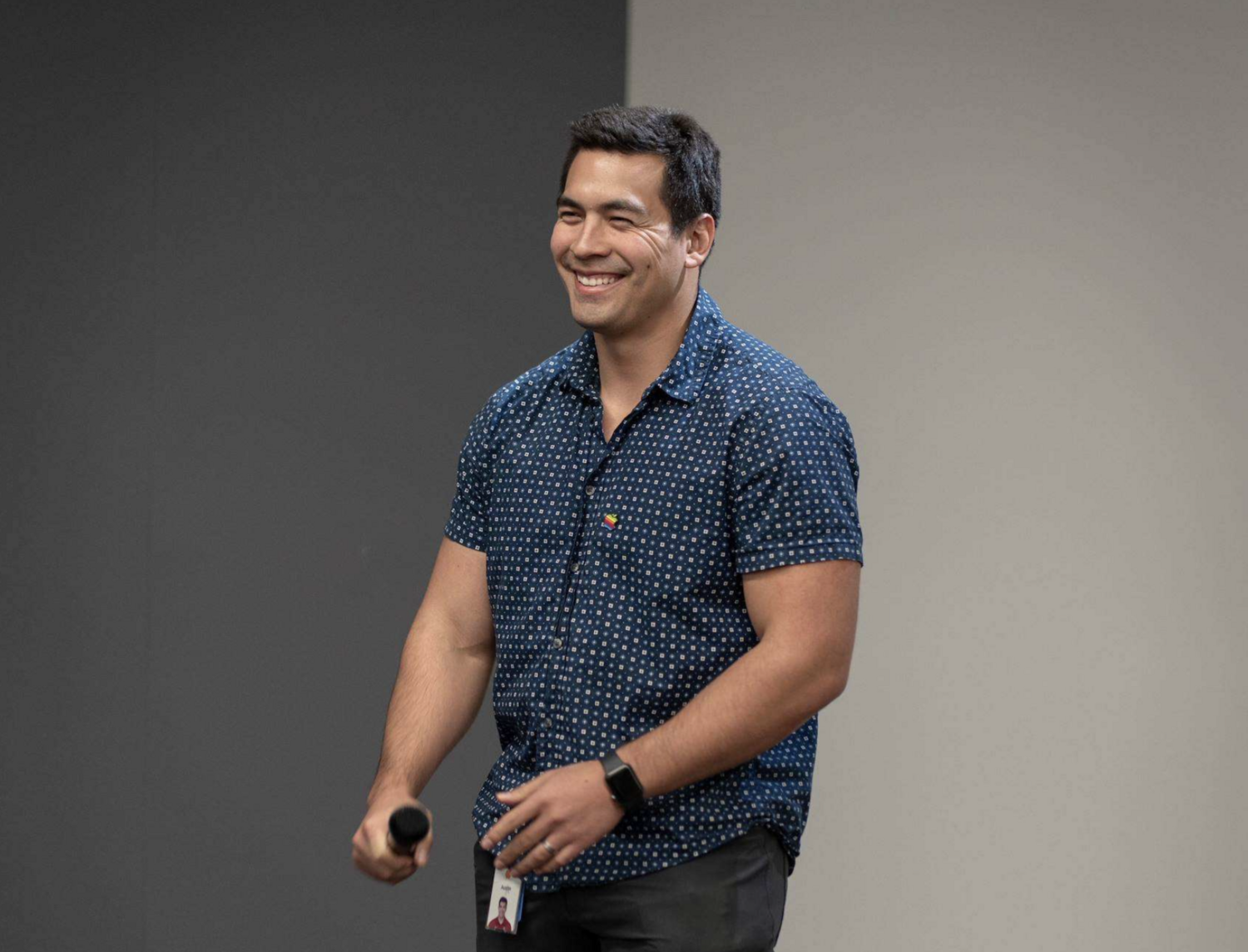
I love physical activity, so I love going to the gym. I used to be like a collegiate wrestler. I went to Stanford University and I wrestled like D1 over there. Being active is a big part of my life. I have a wife and a seven-month-old daughter at home, and I love spending time with them anytime I can get.

Q: What's a common misconception people have about Equinix?
Austin: Many people know Equinix for its digital infrastructure and data centres, which is understandable.
What they don't always realise is the amount of engineering and innovation happening behind the scenes. There are teams already building AI platforms, machine learning capabilities and products that support the business in meaningful ways. That was something I discovered myself as I learned more about the organisation.
Q: What makes a machine learning engineer successful on your team?
Austin: Curiosity is a big part of it. Technology changes quickly, especially in AI. The people who thrive are the ones who enjoy learning, experimenting and figuring out how to turn new capabilities into practical solutions.
At the same time, it's important to stay focused on the outcome. The goal isn't to build AI for the sake of building AI. The goal is to solve a problem and create value for the people using it. This focus on practical business value aligns with how his team develops AI platforms for use across Equinix.
Q: What would you say to an experienced ML engineer considering Equinix?
Austin: If you're looking for a place where AI is already being applied to real-world business challenges, you'll find plenty of opportunities here.
There are a lot of room to contribute, a lot of interesting problems to solve and a real chance to shape how AI capabilities are developed and adopted across the organization. If you're motivated by impact, ownership and the opportunity to build something that people use, you'll enjoy the work. Our team is building AI platforms to enable machine learning adoption across Equinix and support enterprise-scale business outcomes. Join us to be part of our journey of innovation.
Interested in building AI that solves real business problems at scale?
Explore technology and machine learning opportunities at Equinix and discover how you can help shape the next generation of AI capabilities powering a global digital infrastructure company. Look for your next career step here.