When most people think of Equinix, they think of infrastructure. But inside our data center operations teams, engineers are solving the physical and systems challenges that keep the world’s most critical digital infrastructure running 24/7/365.
Behind every seamless digital experience—whether it’s streaming, banking or cloud computing—there’s a backbone quietly keeping it all running. That backbone is the data center. At Equinix, our operations teams don’t just maintain facilities. They enable the digital ecosystem itself.
We sat down with professionals across our operations teams to understand what it’s really like to build a career in data center operations at Equinix.
What do data center operations engineers do?
Data center operations engineers ensure that critical systems run reliably, securely and efficiently. However, the specific focus differs depending on the role:
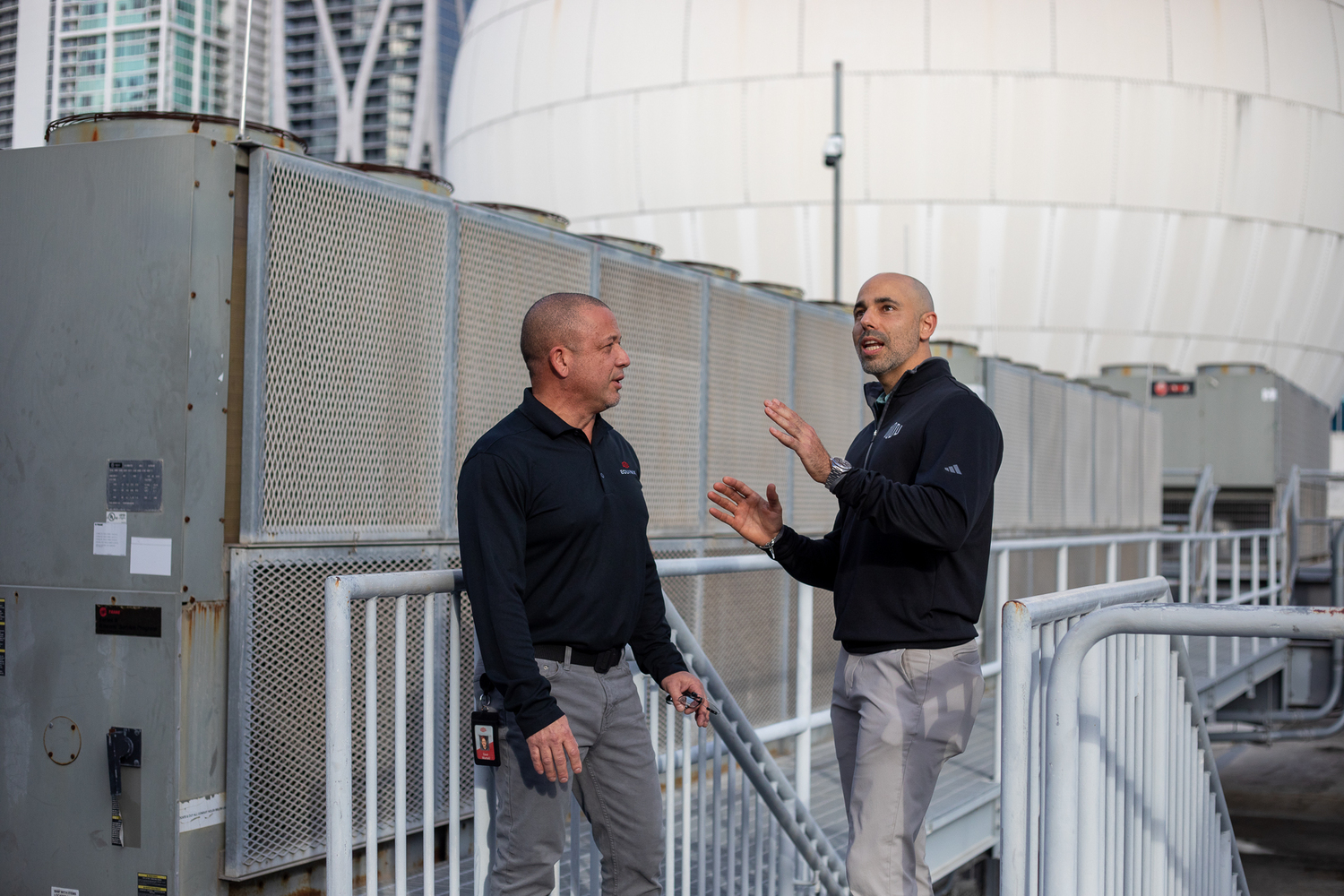
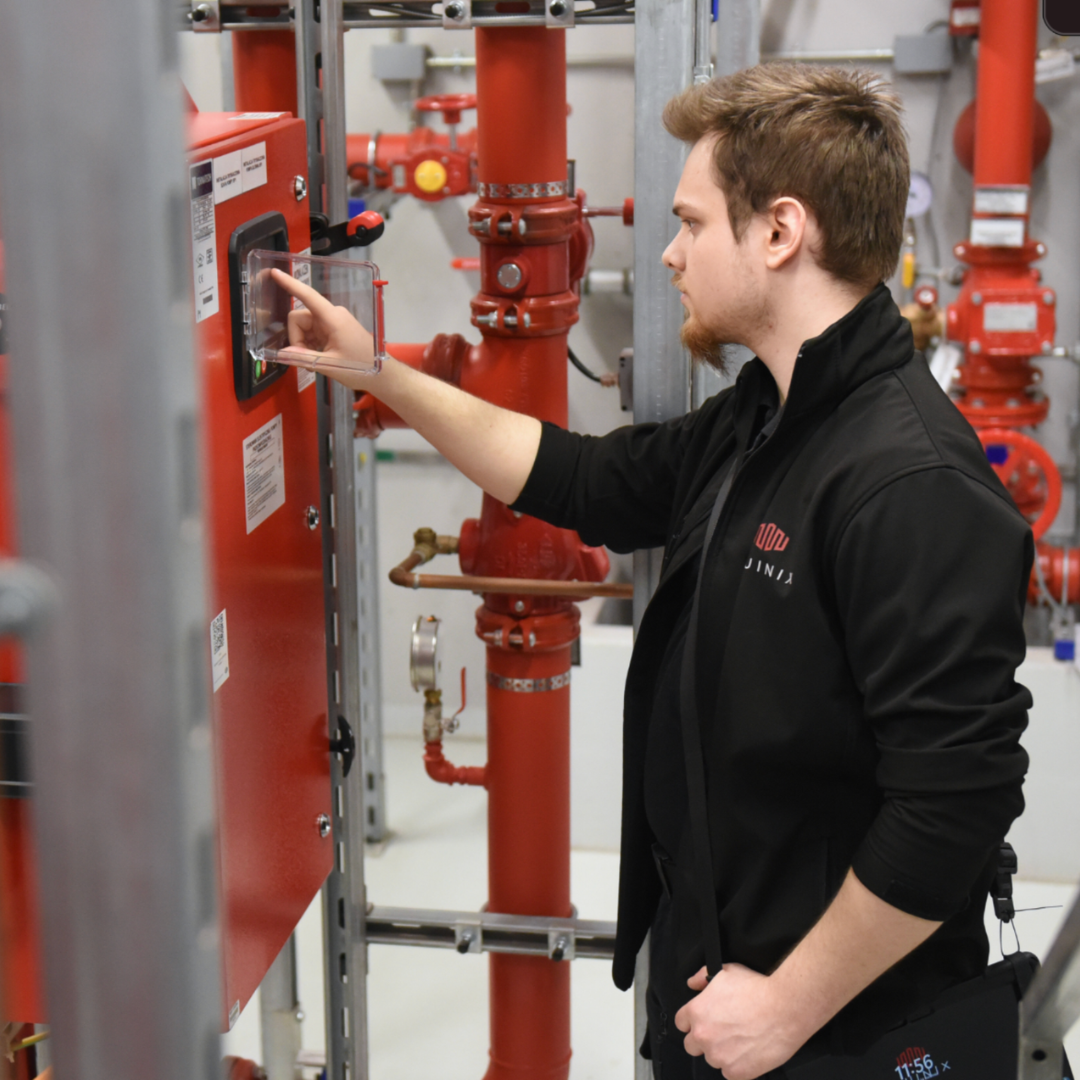
Critical facilities engineers focus on maintaining and supporting the physical infrastructure of the data center. This includes power distribution, cooling systems, backup generators, environmental monitoring and physical security systems.
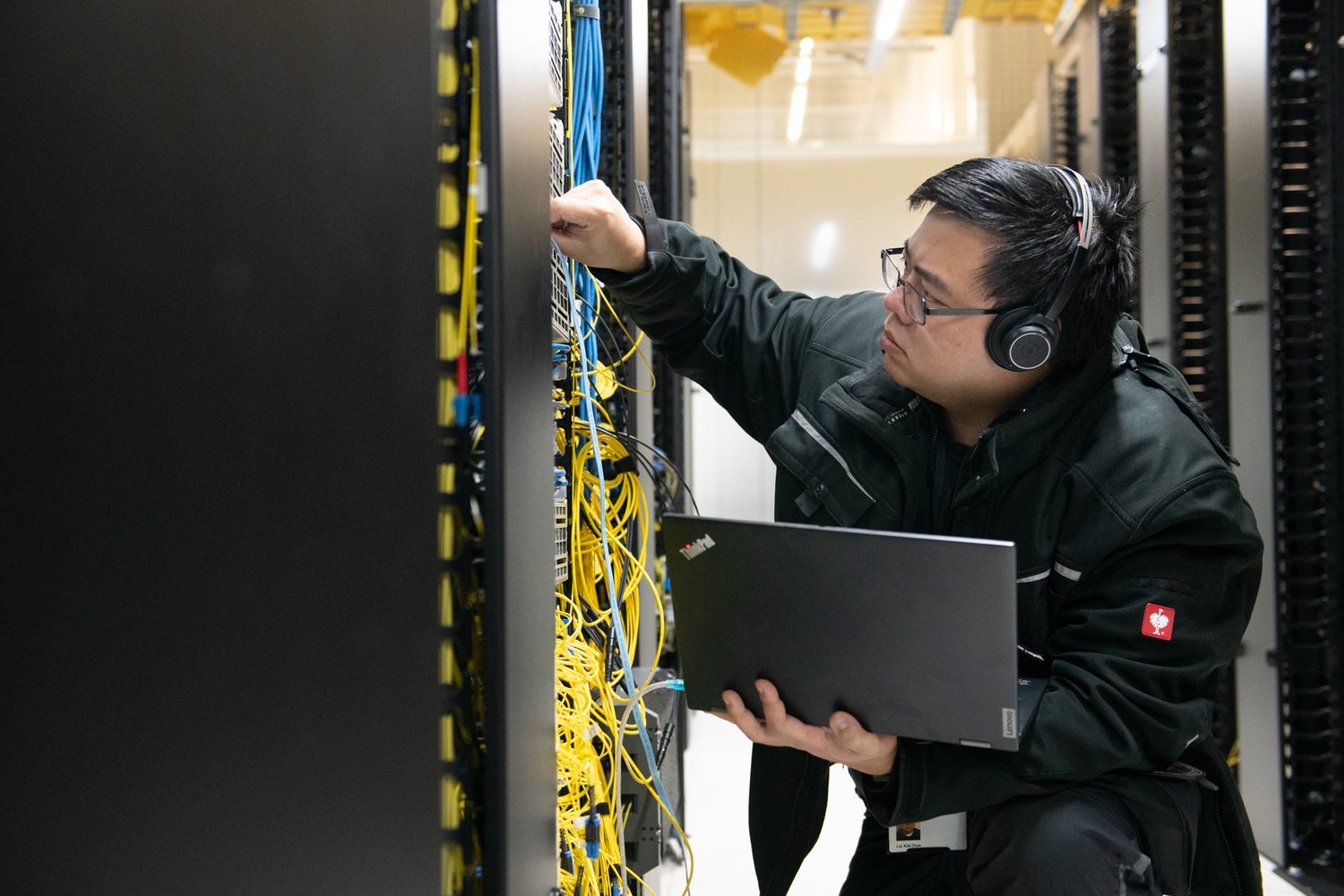
Customer operations engineers work directly with customers to support their equipment, troubleshoot issues and ensure their specific infrastructure needs are met. They blend technical expertise with customer service and represent Equinix on the data center floor.
And the good news is that this role is evolving. At Equinix, data centers are no longer just facilities. They are part of a global digital ecosystem. Engineers support environments where businesses, clouds and networks interconnect seamlessly. You are not just maintaining systems. You are helping keep the digital world in motion.
Why this role matters more than ever
The digital economy depends on constant uptime and real-time connectivity. Data centers have become hubs where enterprises, partners and platforms exchange data at scale.
At Equinix, operations engineers support systems that:
- Enable global enterprise operations across multiple regions
- Power multicloud and hybrid infrastructure strategies
- Handle real-time data exchange at massive scale
- Support the interconnected digital ecosystem that powers modern business
This shift from infrastructure maintenance to ecosystem enablement makes the role more impactful than ever. Your work directly supports how thousands of businesses operate every day, across continents and time zones.
What it looks like in practice
Critical facilities engineers typically work on:
- Power and cooling system operations and optimization
- Generator and UPS maintenance and reliability
- Monitoring and controlling environmental conditions (temperature, humidity, airflow)
- Maintenance of facility infrastructure and building systems
- Automation and efficiency initiatives across the data center
Customer operations engineers typically work on:
- Installing and maintaining customer equipment and server infrastructure
- Cabling, patching and network connectivity management
- Troubleshooting customer infrastructure issues and providing technical solutions
- Direct customer support and technical advisory service
- 24/7 availability to ensure facility and customer operations continue seamlessly
Both roles work in a 24/7 environment, with shifts that may include nights, weekends and holidays. These positions are ideal for those who thrive in fast-paced technical environments and want to directly impact the reliability of global digital infrastructure.
Solving complex problems at global scale
What sets Equinix apart is the complexity of the problems operations engineers solve and the scale at which they operate.
Unlike in typical facility operations, engineers here manage:
- Multiple data centers across dozens of countries spanning the Americas, Europe, the Middle East, Africa and Asia-Pacific (AMER, EMEA and APAC regions)
- Infrastructure supporting 10,500+ customers simultaneously
- Systems with zero tolerance for downtime in mission-critical environments
- Cross-regional coordination to ensure consistent reliability everywhere
- Integration of legacy systems with cutting-edge infrastructure technologies
This is essentially engineering at the scale where small decisions cascade globally. Your troubleshooting in one region directly impacts operations in another. It is complex. It is rewarding. It is the kind of work that defines careers.
Tools and systems you will work with
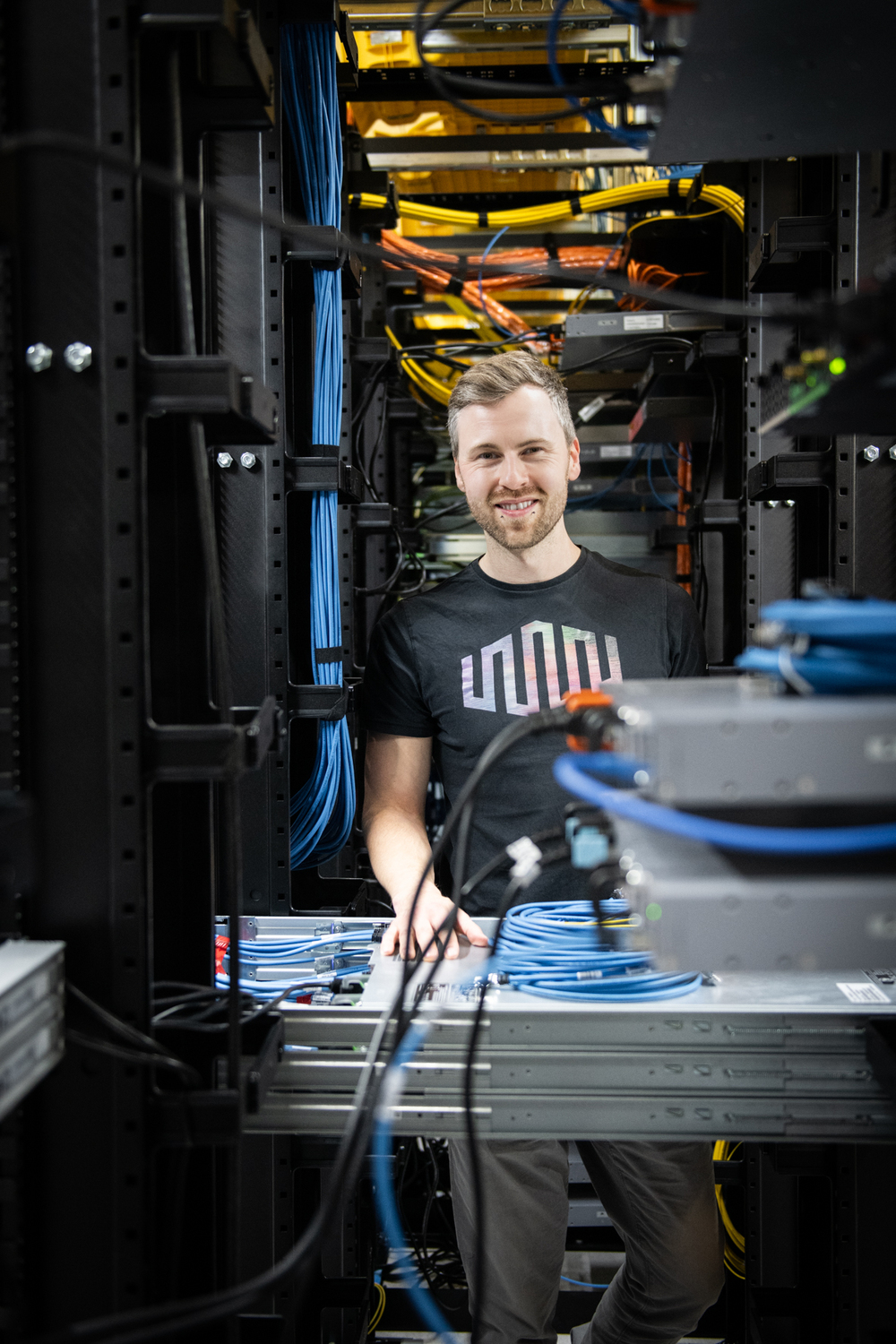
Data center operations at Equinix requires hands-on expertise with modern infrastructure technologies and monitoring systems:
- Server hardware (installation, configuration, troubleshooting)
Network infrastructure (cabling, fiber optics, cross connects, switching) - Power systems (UPS, generators, PDUs, electrical distribution)
- Cooling and HVAC systems (monitoring, optimization, maintenance)
- Building automation and management systems (BMS, SCADA)
- Operating systems (Linux, Windows, BSD for monitoring and management)
- Monitoring and diagnostic tools (custom dashboards, alerting systems)
- Basic scripting (Python, Bash) for automation and troubleshooting
The sheer scale of Equinix forces you to think differently about reliability, redundancy, and system design. This experience builds architectural thinking, decision-making confidence, and real-world problem-solving skills that set you apart.
Skills that set you apart
The role combines technical expertise with clear thinking, problem-solving ability and strong communication.
Technical skills
- Server and equipment installation, maintenance and troubleshooting
- Networking fundamentals (routing, switching, cabling, fiber optics)
- Operating systems (Linux, Windows, BSD)
- Monitoring and diagnostics tools
- Power and cooling systems (especially for critical facilities engineers)
- Basic scripting (such as Python or Bash) for automation and troubleshooting
Problem-solving and critical thinking
In 24/7/365 high-availability environments, even small issues can have large consequences. A structured, calm approach to troubleshooting is essential:
- Ability to think systematically and isolate problems quickly
- Implementing solutions with confidence under pressure
- Proactive thinking about reliability and redundancy
- Root-cause analysis and structured troubleshooting methodology
Communication and collaboration
Data center operations at Equinix spans AMER, EMEA and APAC. Cross-regional coordination is essential:
- Clear documentation of changes, incidents and technical decisions
- Ability to translate technical complexity into actionable insights
- Reliable asynchronous communication across time zones
- Collaborating effectively with diverse teams and customers
- Knowledge-sharing and mentoring newer team members
Working across time zones and continents
One of the most unique aspects of this role is its global nature. You might troubleshoot an issue in one region while coordinating with teams in another. The systems you support do not stop at borders, and neither does the impact of your work.
As one engineer shared: “It is incredibly rewarding to see infrastructure I helped maintain in one time zone seamlessly powering customer operations in another. You get the stability of a large, established company but with a team culture that is still collaborative and down-to-earth. It is the epicenter if you want to work on practical, behind-the-scenes systems that keep the digital world running.”
This global coordination is one of Equinix’s greatest strengths. It is also a compelling opportunity for engineers looking to develop skills in distributed team collaboration and cross-regional systems design.
Growing together in a culture built on reliability
At Equinix, growth isn’t something you wait for—it’s built into how operations teams work every day. Many engineers join to master the fundamentals of a single site but expand their scope over time: supporting more complex environments, collaborating across regions and stepping into roles where they guide others. What starts as hands-on learning evolves into real ownership and long-term career progression over years.
The culture within our operations teams makes that progression possible:
- Knowledge is actively shared so you can build skills beyond your immediate role.
- Collaboration across shifts and regions exposes you to global operations in many markets.
- Clear documentation and communication help you ramp quickly and contribute with confidence.
- Cross-training ensures you continue expanding your scope, not staying in one lane.
- Structured development paths—from early talent programs to ongoing training—help you build a career, not just do a job.
- Internal mobility and global opportunities allow you to move across teams, roles and locations as your skills and interests evolve.
Over time, this creates a clear path—from learning, to contributing, to leading—in a culture where reliability applies not just to systems, but to how people support each other’s growth.

Why choose a career in data center operations?
As a data center operations engineer, you’re working at the point where the digital world becomes real. Behind every system, platform or service is infrastructure that has to perform—consistently, at scale, without interruption. That’s where your work sits.
But what sets this apart is the scale and reach of that responsibility. At Equinix, the environments you support are not isolated; they are part of a globally connected footprint that businesses and technologies rely on every second. What you do in one location contributes to something much bigger, extending across regions, customers and industries.
Work often happens behind the scenes, but its impact shows up in very visible ways:
- Businesses continue operating without disruption because infrastructure performs as expected.
- Cloud and digital services run seamlessly, even under constant demand.
- Innovation—from AI to fintech to healthcare—is enabled by stable, secure environments.
- Global ecosystems stay connected, supporting how people live, work and interact every day.
This is a role where responsibility grows with you, not just in what you manage, but in the scale of what you influence. Over time, you’re not only maintaining systems, but contributing to the reliability of a global digital network that continues to expand.
If you’re looking for a career where your work connects to something bigger—where scale, impact and long-term opportunity naturally grow together—this is where it begins.
Frequently asked questions
Do data center operations engineers need to know coding?
Not necessarily. Most data center operations roles focus on hardware, networking and systems operations. However, basic scripting (such as Python or Bash) is increasingly valuable for automation and troubleshooting, especially in modern environments that use infrastructure monitoring and management tools. You can develop these skills on the job.
What is the difference between a critical facilities engineer and a customer operations engineer?
Critical facilities engineers focus on the facility infrastructure power systems, cooling, generators, security and building automation. They work on planned maintenance and infrastructure optimization. Customer operations engineers work directly with customers, supporting their equipment and providing technical advisory. Both are essential to data center operations. Many engineers work in both areas throughout their careers.
Is data center operations future-proof with the growth of cloud computing?
Yes, absolutely. Cloud computing still relies entirely on physical data center infrastructure. Data centers are the foundation of cloud services, and as demand for digital services grows, so does the need for skilled professionals to maintain, operate and optimize these environments. Infrastructure is foundational technology; it is not going anywhere.
Do I need a degree or prior experience to get started?
No. Our apprenticeship program offers hands-on training with no prior experience required. Many successful operations engineers come from diverse educational backgrounds. We focus more on hiring for aptitude, reliability and willingness to learn than formal credentials.
What does a typical day look like?
No two days are identical. You might start your day with planned maintenance on a cooling system, respond to a customer equipment issue in the afternoon, and then coordinate with a team in another region on an infrastructure upgrade. The work is hands-on, involves problem-solving and requires clear communication with diverse teams. It is dynamic and never boring.
- Data Center
- Equinix Careers
- Work with us